Our Mission
We believe that the modern supply chain is fundamentally exploitative of African cocoa farmers. So we have come in to reimagine the entire system, transforming it into one that is built on fair exchange and radical empowerment.

We are slave-free cocoa farmers and change makers, dedicated to an equitably sustainable and de-commodified cocoa. We grow our beans slave-free in Cameroon, make chocolate in London, and work hard to bring equity and empowerment to our village’s community.
Veronique Mbida, Founder

The Story That Made Us
The construction of contemporary capitalism was accompanied by the normalisation of the idea that food is nothing but a commodity. The story behind a chocolate bar is usually one of an affordable luxury paid for in misery and exploitation by the producers.
Being the prime destination for industrial chocolate makers such as Mars, Mondelez, Cadbury, and Nestle, West Africa has dominated global production for more than a century, and generates more than 70% of the cocoa traded on the world market.

Only2%of the 100 billion dollar chocolate market revenue is received on the African continent.

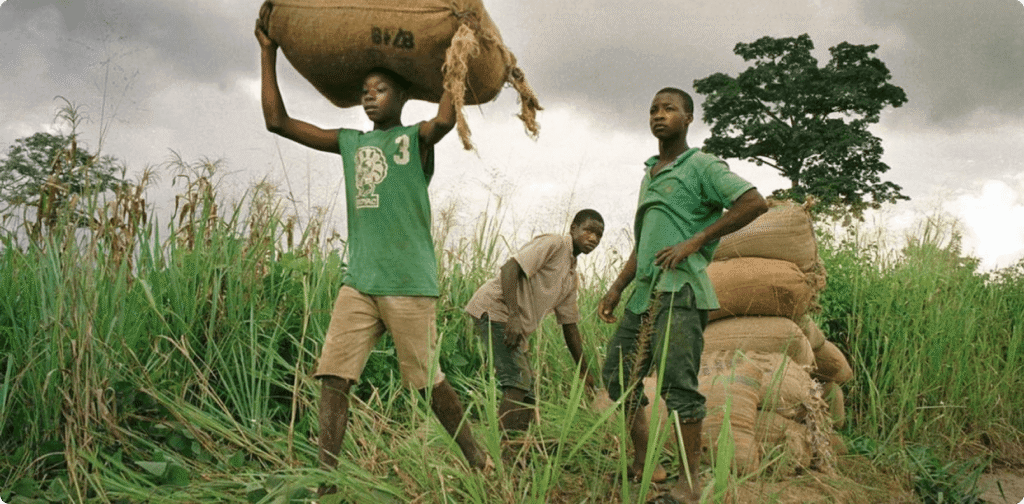
After the scandal of child labor and modern slavery in the 2000s, the chocolate lobby convinced angry regulators that the industry could fix the child labor issue by 2005.
Certifications, such as Fairtrade, UTZ, and Rainforest Alliance used to be perceived as great initiatives, but over the years they have become more of a marketing tool to bypass certain morals and put the consumer more at ease when in reality, over 20 years later, not much has changed.
With little or no bargain power, cacao producers live below the extreme poverty line and the average cacao farming family member in West Africa is estimated to survive off 74p a day.
What is Bantu .
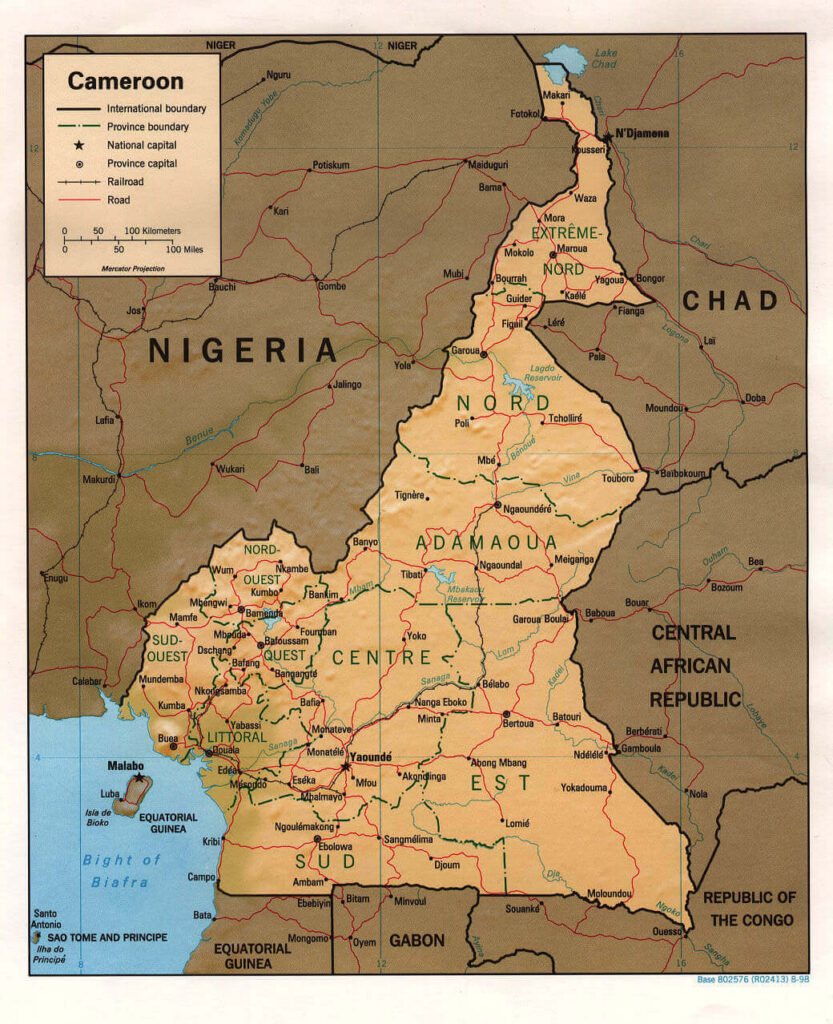
The Bantu people were agriculturalists and cattle-keepers who originated 3,000-5,000 years ago in what is now known as Cameroon. They spoke many dialects of the Bantu language, eventually spreading out to other parts of the continent in what became the largest African migration in history, and the second most important human migration to have occurred since the first human ancestors left Africa millions of years ago.
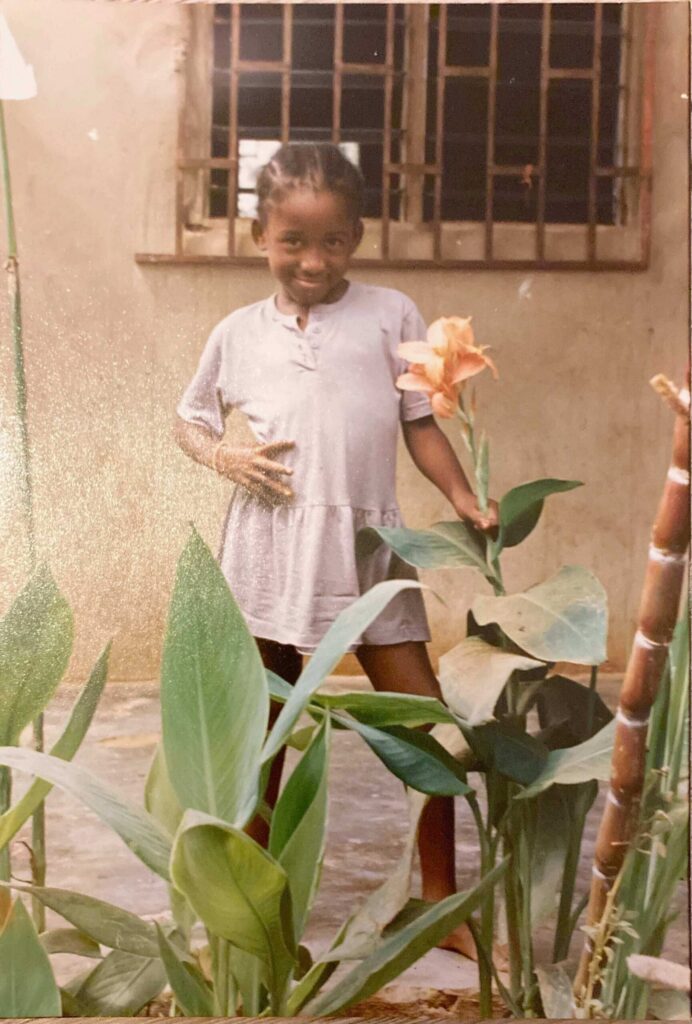
Born in Cameroon and with Kenyan heritage, Veronique, Bantu Chocolate founder, has always been at the intersection of many worlds. She grew up in France, lived in Brazil, and is currently based in London. When her mother (pictured below) started cocoa farming back in 2016, she quickly realized that fair-trade was clearly not enough. Like her ancestors, the Bantus, she started Bantu Chocolate knowing she could make a difference in changing a seemingly unchangeable system.


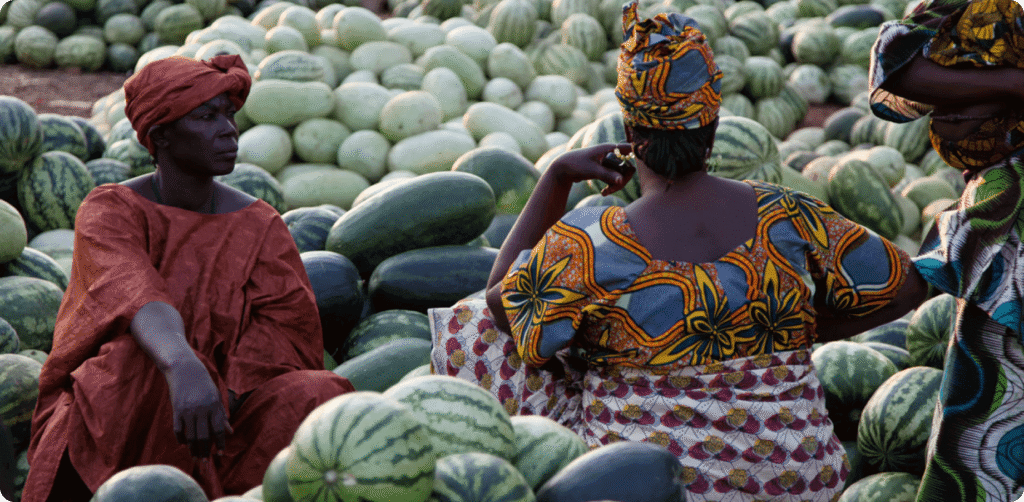
This migration influenced two-thirds of the African language, from Kenya to South Africa, passing through Zambia. The Bantu people brought with them technologies and knowledge such as forging tools and weapons that allowed people to open up areas that had been covered with forest, rocky soil, or swamps, turning them into productive agricultural land.
Our Three Pillars

Fairness
Even with certifications like Fair Trade, farmers are not paid a living wage for their work, while large corporations take home the vast majority of profits. To combat this, we go above and beyond to pay our collaborators a living wage that is six times more than the commodity price and three times the fair-trade price.

Heritage
A healthy environment is all of our birthright, but right now, it is under threat with corporations pushing intensive agriculture. With a recognition that we will only thrive if the earth does too, we grow our cocoa using practices like regenerative agriculture and other traditional farming techniques to preserve the land’s vitality for future generations.

Culture
Culture and agriculture are inseparable. As communities’ traditional growing practices are eroded by industrial players, the culture begins to erode as well. We grow in ways that preserve cultural traditions, strengthening the communities we work with in the process.
Our Vision .

Connect Through Food
We know that food is one of our most powerful connectors. We see Bantu as a way for people to connect with the ones who grow their food, to listen to their stories, and to be part of building a food system that is truly nourishing for everyone. We believe this feeling of connection is one of the most powerful catalysts for systemic change.

Community Empowerment
We truly believe that communities know best how to address the problems that face them, and that what they need is support, not charity. We work closely with our village in Cameroon to create employment opportunities, strengthen children’s education and literacy, and ensure that our collaborators are making three times the fair trade price to build equitable economic resilience and growth.

Cultivate Culture
We envision cultural shifts occurring at multiple levels through Bantu. On one level, our supportive relationship with our community in Cameroon will facilitate cultural enrichment through preserving traditional agricultural methods. But we also see Bantu as part of a wider cultural shift in the industry away from the exploitative practices of the past towards one where every part of the system — from the people to the natural environment — are truly valued.

Thinking Sustainably
In 2016, we started our farm in Cameroon on land passed down through generations and inherited by my mother. We not only grow cocoa but opted for a regenerative agriculture approach, planting thousands of trees such as bananas, plantains, avocado and other environmentally friendly trees to enhance biodiversity, as well as protect and nourish the soils. This approach of looking at the whole system — not just the finished product — underscores all of our work.