Yaoundé21°C
London13°C
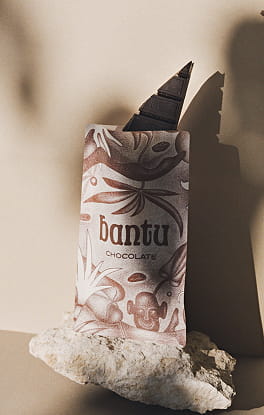
The Cacao Range, Uncompromised
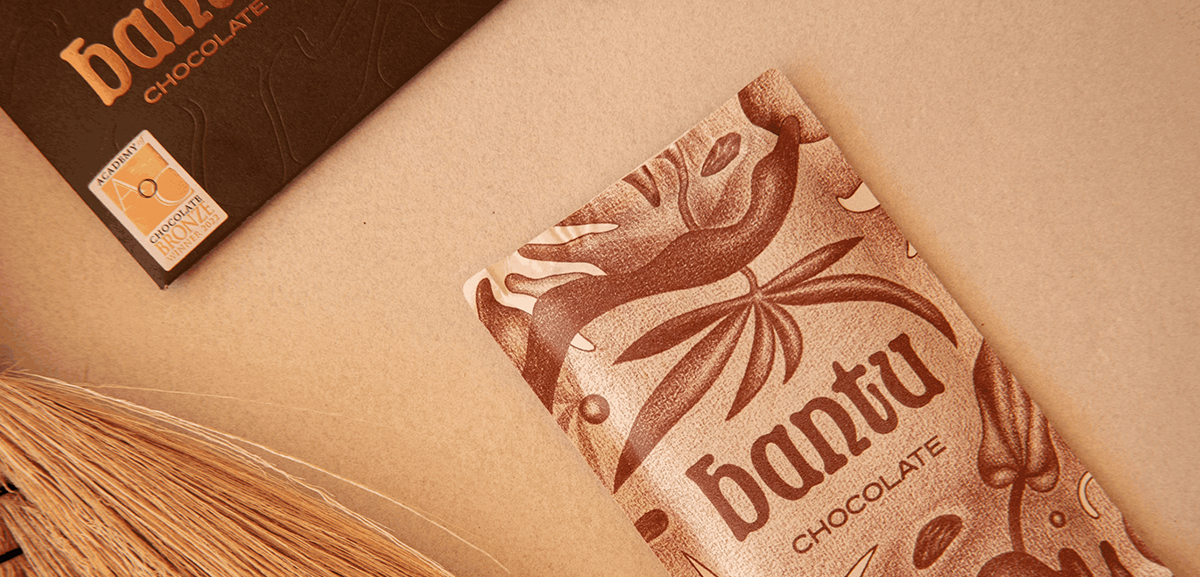
Single-origin dark chocolate bars, ceremonial cacao, husk teas, and pulp kombucha. The whole plant, nothing wasted.
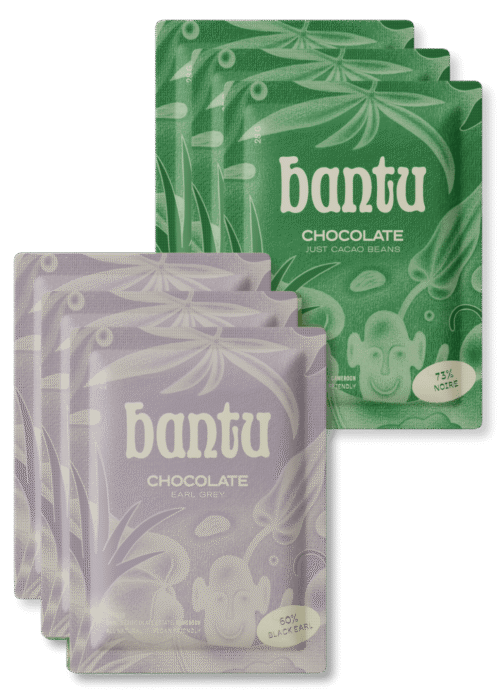
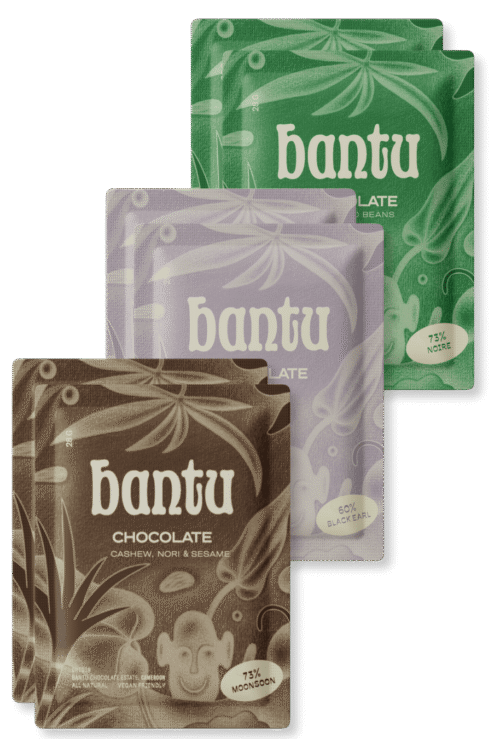
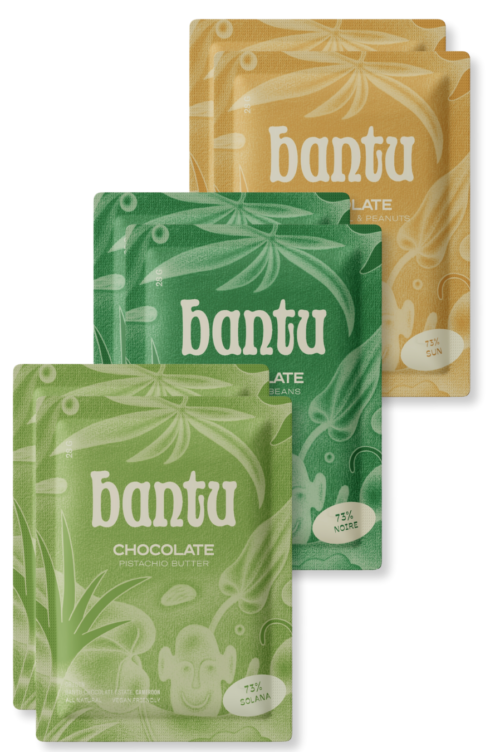
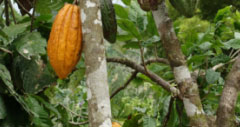
MEET OUR NATURAL & FAIRNESS COCOA PRODUCTS
REAL CACAO IN
IN
A REFORMULATED
WORLD
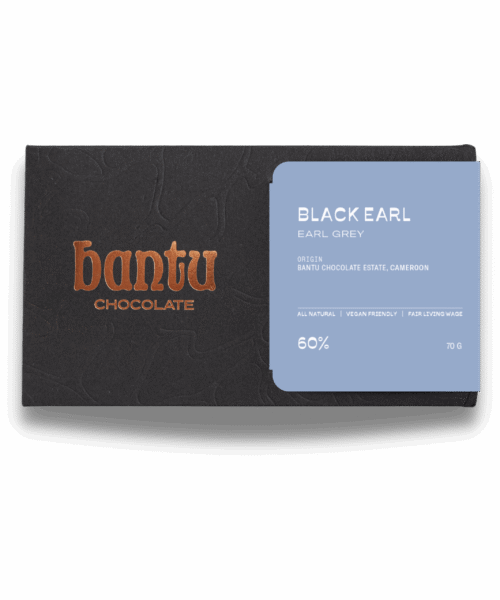
WE DON’T BUY ANONYMOUS BEANS FROM GLOBAL BROKERS. BORN ON OUR FAMILY’S AGROFORESTRY ESTATE IN CAMEROON, EVERY BEAN IS TRACEABLE, ETHICAL, AND GROWN TO REDEFINE THE FUTURE OF CACAO.






Taste the difference
The difference between fairness as a marketing line, and fairness as a supply chain.
 | Ethical brands | Lab-made | |
|---|---|---|---|
| Ingredients | 3 | 5-8 | 12-20+ |
| Additives | None | often | yes |
| Organic | Sometimes | N/A | |
| Refined sugar | None | Sometimes | Varies |
| Single origin | Blended | No farm | |
| Family estate | no | No farm | |
| Regenerative | no | Not soil | |
Subscribe & Save 15%
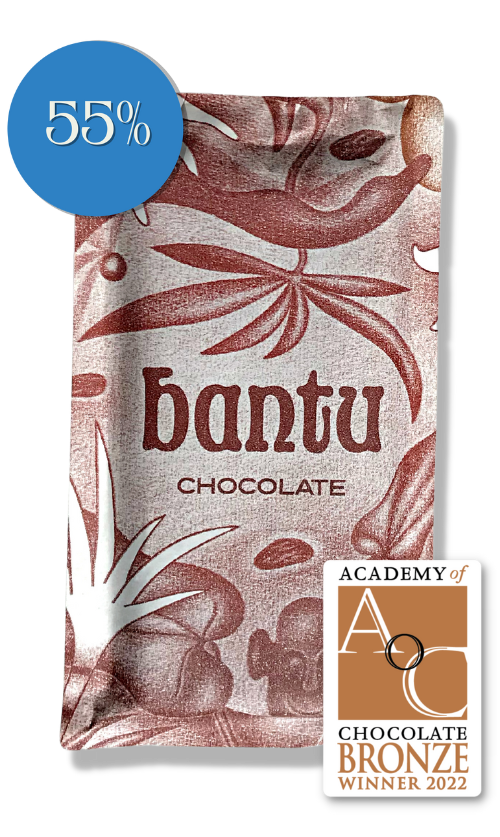
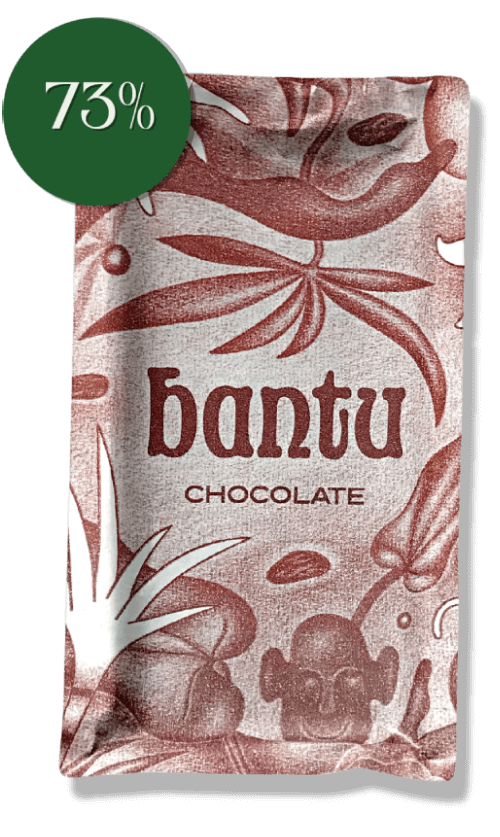
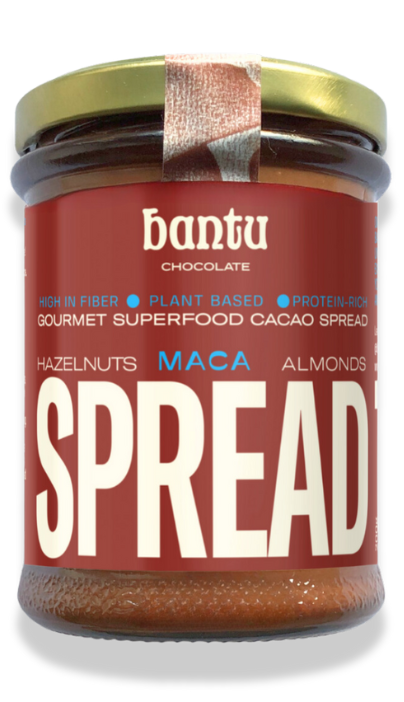
Pure cacao at your door, every week or month. Cancel anytime.
The Qualitarian Standard
Crafted for those who value quality above all.
Reviews


A happy subscriber
Creamy, light, very tasty and the simple whole ingredients are a game changer. I subscribed to the monthly deliveries.
Love!
Incredible, delicious – can use in so many ways too.
I’m really happy with this purchase and proud to support such a meaningful vision.
Good chocolate and good mission
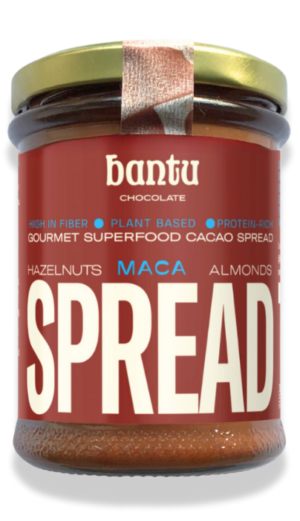
Great paleo-friendly spread option
Grabbed this at the market, and it’s great. Works superbly on fruit and smoothies
Just the right sweetness
All clean ingredients—feels indulgent but totally guilt-free. Definitely a new favourite!
Definitely one of the best chocolate I ate! Good for the mind, good for the body!
Healing Chocolate
Sooo addictive
I do not know what’s in there or how you guys worked your magic but man that’s so good and that nib’s crunch! Yum-my
a delightful dairy-free surprise
If you’re a fan of caramel or butterscotch flavours, this might just become your new favourite chocolate!
A smooth operator
This is honestly the best vegan milk bar I have had!
Founder’s
Note
I can’t take you to Cameroon yet, but I can send you what grows there.
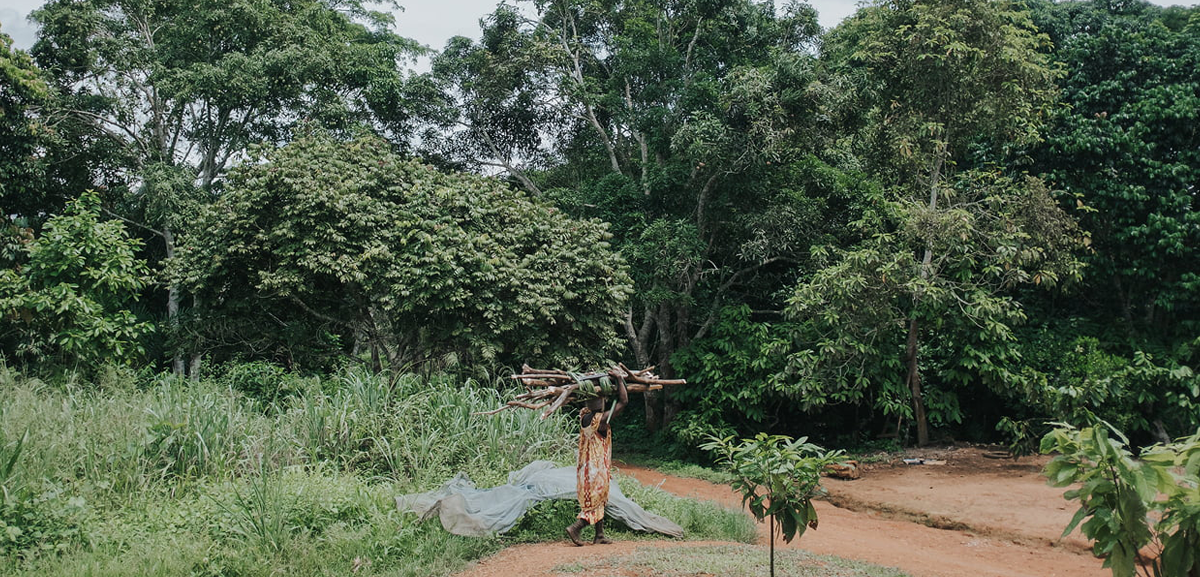
Tended by my family, on land we’ve always known,
and made with the craft cacao beans have always deserved.
When your roots span across worlds, home is something you look for in details:
the gifts we give, the treats we savour,
and the small rituals that make us feel tethered to who we are.
I didn’t inherit a corporate chocolate empire. I just wanted to make food
that honors the soil of my birth and so many others before me,
and share it with souls who believe in better.
This is as close as I can get you, for now.

OUR PRODUCT RANGE .

Neue Grafik: The Funk You Were Missing
Why We Don’t Call Our Cacao Ceremonial
Ceremonial cacao is having its moment. Searches have grown steadily, to around 30,000 a month and rising about 12% a year, according to ConfectioneryNews. People want something slower than coffee and more considered than hot chocolate. We understand the pull.…
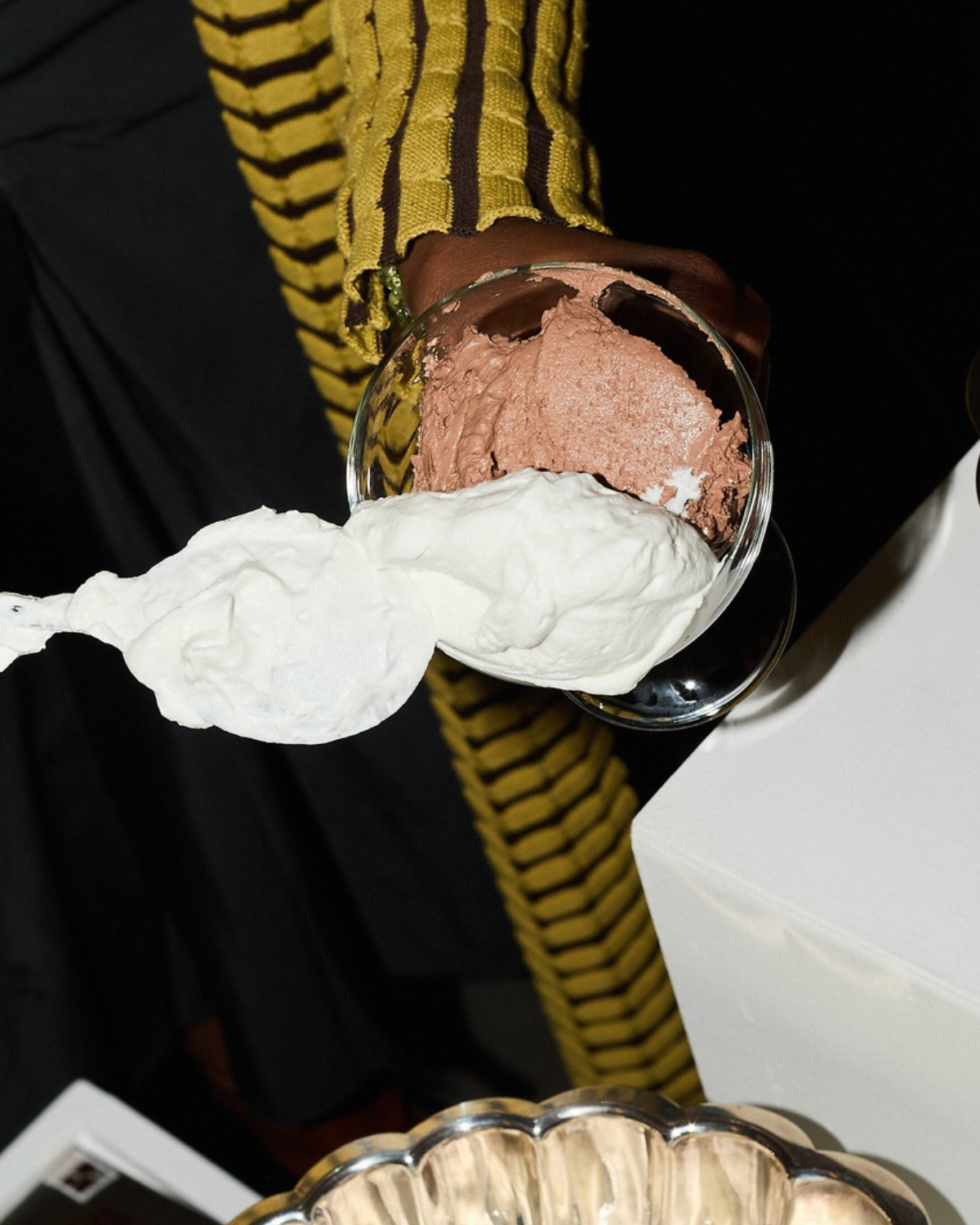
Vegan Chocolate Mousse
Cultivating Culture · Vegan Recipes Vegan Chocolate Mousse By Bantu Chocolate This vegan chocolate mousse is light as a cloud and deep as the cacao it comes from. No eggs, no cream, no refined sugar: just single-estate chocolate from our…
Decommodifying Cocoa: Why We Built Bantu
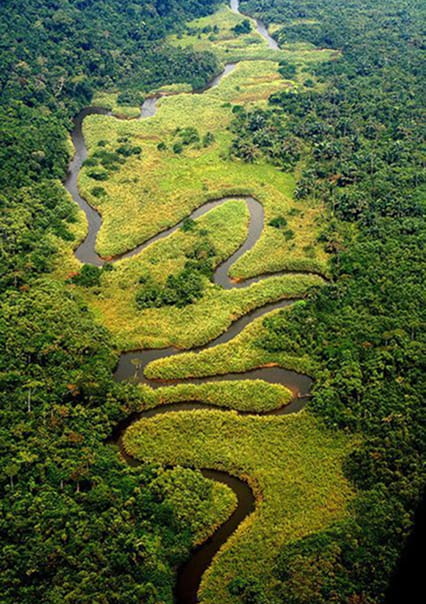
African-owned, single-estate, vertically integrated. Our cacao is grown on family land in Cameroon, our workers earn 7x Fairtrade wages, and every bar traces back to the tree.
We’re not making chocolate ‘less bad.’
We’re rebuilding the chain from the ground up.

What’s Cooking
Grab This Month’s
Exclusive Recipe
Vegan Chocolate Mousse
Cultivating Culture · Vegan Recipes Vegan Chocolate Mousse By Bantu Chocolate This vegan chocolate mousse is light as a cloud and deep as the cacao…
The Cacao Journal
Field notes, recipes, and the longer story behind every harvest.
Why We Don’t Call Our Cacao Ceremonial
Ceremonial cacao is having its moment. Searches have grown steadily, to around 30,000 a month and rising about 12% a year, according to ConfectioneryNews. People…
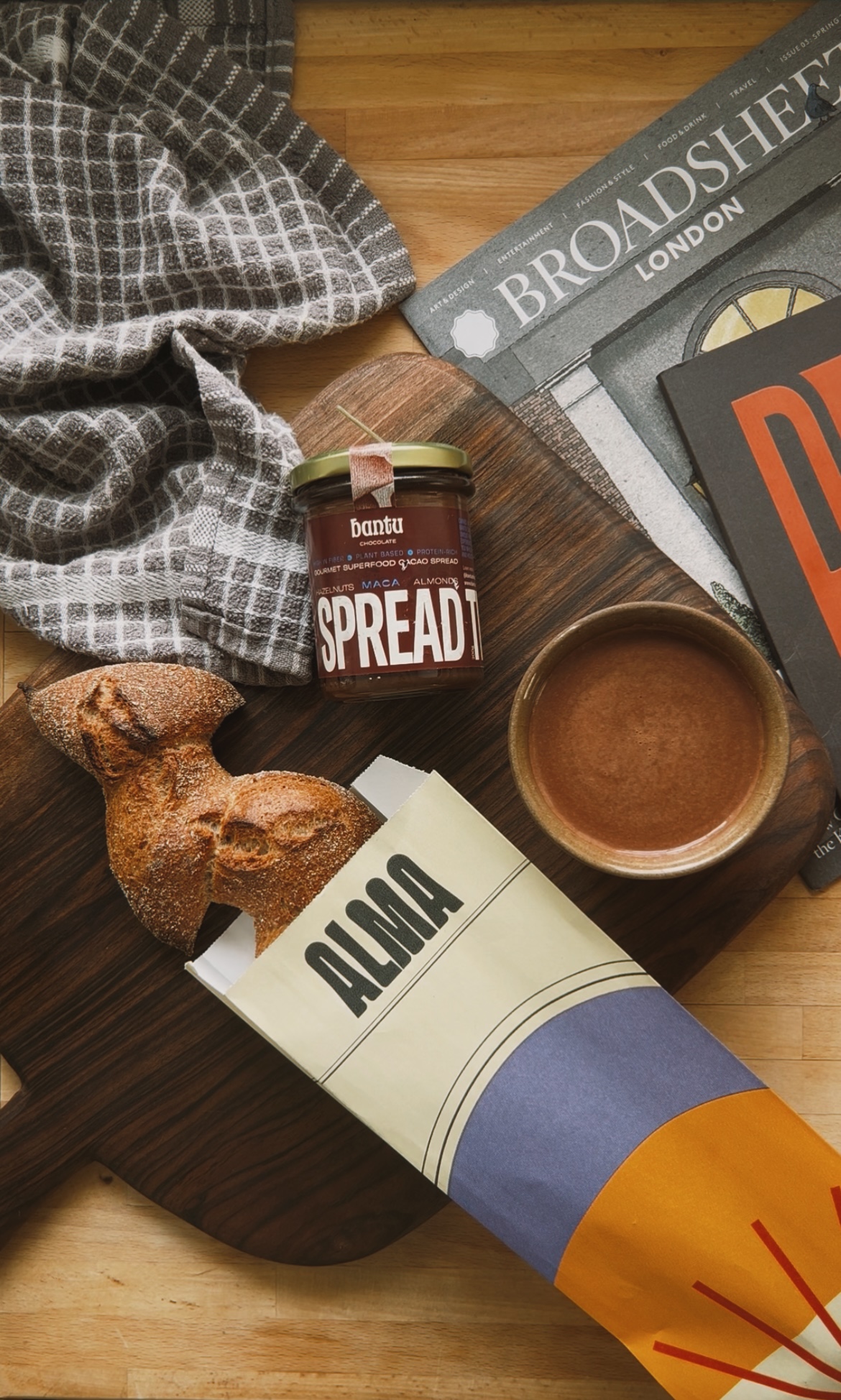
Drinking Chocolate vs Hot Chocolate vs Hot Cocoa: The Difference
Hot cocoa starts as powder, drinking chocolate as chocolate itself. The difference in one table, and how to make the richer cup at home.
What Legally Counts as Chocolate? UK, US and France Compared
The UK measures cocoa solids, the US chocolate liquor, and France protects names like “pur beurre de cacao”. Chocolate’s legal minimums, explained.
FAQs
Our Single-Estate Sourcing Model
Bantu Chocolate is a single-estate cacao brand grown on a family-owned agroforestry farm in Cameroon, Central Africa. Every bean is harvested, fermented, and dried on our own estate before being crafted into finished chocolate by our specialist co-manufacturing partner. Finished collections are shipped to customers across the UK, EU, and the US. Because we own the estate, the grower and the brand are the same entity, which removes the commodity intermediaries that typically separate cacao farmers from finished chocolate brands.
The premium craft chocolate movement is built on bean-to-bar production, where independent makers source dried cacao beans from brokers or cooperatives and roast, grind, and mould them in small batches. Their craftsmanship begins at the workshop door. Bantu Chocolate is a single-estate, tree-to-bar producer, which means our stewardship begins earlier: directly in the soil of our family-owned agroforestry farm in Cameroon. Rather than purchasing beans from intermediaries, we cultivate the trees, harvest the pods, and manage the on-site fermentation and drying ourselves. Our specialist co-manufacturing partner then handles the finished chocolate production to European craft standards. This continuity from tree to finished bar allows us to protect flavour development at the source and pay a price for our cacao worked out from a living wage, rather than from the cocoa market. The result is a naturally rich, minimally processed dark chocolate made with a short ingredient list, free from hidden fillers, palm oil, and the industrial emulsifiers common in ultra-processed foods. Explore our full range.
Fair Wages and Human Dignity in Cocoa
Beyond Fairtrade® is Bantu Chocolate’s registered trademark describing a sourcing model built on direct estate ownership rather than certification alone. Global cocoa prices are set on the London and New York cocoa futures markets, where commodity trading determines the baseline price paid to international exporters. This traditional system leaves smallholders with a volatile fraction of the retail value that regularly falls below their actual cost of production. Because Bantu Chocolate owns the estate in Cameroon, we operate entirely outside this commodity pricing mechanism. This allows us to pay about $10 a kilo for our cacao, a price worked out backwards from the independent Anker Living Wage for rural Cameroon rather than from the futures market. The Anker methodology is the international standard for calculating a living wage from the local cost of living: nutritious food, clean water, secure housing, healthcare, clothing, children’s school fees and a small reserve for emergencies. Because our price starts from what people need to live on, the money goes to the estate and the people who work it, not to supply chain intermediaries.
Single-estate chocolate costs more because the true material and labour costs of production are paid in full rather than externalised. Supermarket chocolate is priced against a global commodity market that keeps retail prices low by underpaying farmers and reducing the proportion of cacao in each bar.
The price difference comes down to two clear factors:
The Labour Cost (True Living Wages): Cameroon’s statutory agricultural minimum wage is 45,000 CFA per month, approximately £58, €69, or $74. Standard corporate certifications offer partial protection. For instance, the current Fairtrade Premium adds $275 per metric tonne (approximately 22p per kilogram) on top of the negotiated cocoa price, paid to producer cooperatives to allocate collectively as of 11 June 2026. Bantu Chocolate operates outside this cooperative model. We pay about $10 a kilo for our cacao, worked out backwards from the Anker Living Wage for rural Cameroon, so the price starts from what a family needs for healthcare, housing and schooling.
The Material Cost (Cocoa Content): A standard industrial milk chocolate bar sold in the UK or EU is legally permitted to contain a minimum of 25% total dry cocoa solids under the Cocoa and Chocolate Products (England) Regulations 2003, with the balance typically made up of sugars, milk solids, and vegetable fats. In the US, the FDA minimum for milk chocolate is 10% chocolate liquor. A premium dark chocolate bar typically contains 70% to 100% pure cacao. This means a dark chocolate bar can contain up to three times more cacao by weight than a supermarket milk bar of the same size.
When you buy a single-estate bar, the retail price reflects both a higher proportion of pure cacao and a fully compensated agricultural workforce.
No. There is no child labour on our single family-owned farm in Cameroon. Our cacao is grown there, not bought through traders or cooperatives, and the people who grow and harvest it are known to the family by name.
Child labour concerns in the global cocoa industry are concentrated in supply chains with multiple anonymous sourcing layers, which make traceability and enforcement difficult. The International Labour Organization estimates that a significant number of children work in hazardous conditions across the wider West African cocoa belt, largely as a consequence of systemic poverty, absent infrastructure, and opaque multi-tier trading. Bantu Chocolate’s single-estate structure removes those anonymous layers on our farm by design. Direct employment, on-site management, verified wage payments, and single-family ownership mean the economic conditions that lead families to send children to work do not exist on our estate. Our sourcing model is not a certification claim, it is the operational reality of how our farm is structured.
Clean-Label Purity and Ingredient Standards
No. Bantu Chocolate is classified as a processed food (NOVA Group 3) rather than an ultra-processed food (NOVA Group 4), based on the food classification system developed by the University of São Paulo and recognised by the Pan American Health Organization.
The structural difference between the two categories comes down to ingredients and processing methods:
Ultra-processed chocolate (NOVA Group 4): This category includes mass-market industrial chocolates that are modified with industrial additives. They routinely contain emulsifiers (such as soy or sunflower lecithin), palm oil, fractionated vegetable fats, and artificial flavourings, used to lower production costs and extend shelf life.
Bantu Chocolate (NOVA Group 3): This category consists of foods altered minimally by traditional processes. Our production is limited to traditional physical and thermal steps: farm fermentation, sun-drying, roasting, winnowing, stone-ground conching, and tempering.
Because our ingredient lists are limited to single-estate cacao, raw organic coconut blossom sugar, cocoa butter, and natural botanicals, Bantu Chocolate contains no industrial additives.
No. Bantu Chocolate contains no emulsifiers of any kind, no soy lecithin, no sunflower lecithin, no palm oil, and no hydrogenated fats.
To maintain clean-label formulation standards, our recipes define what is excluded and what is included:
Excluded: Zero soy lecithin, zero sunflower lecithin, zero palm oil, and zero hydrogenated fats. Industrial manufacturers use these compounds as texturisers and stabilisers to prevent ingredient separation and extend shelf life at scale.
Included: Our ingredient lists are limited to single-estate Cameroonian cacao, raw organic coconut blossom sugar, cocoa butter, and natural functional botanicals used in our wellness ritual collections.
Every ingredient is chosen to keep our chocolate within the NOVA Group 3 minimally processed category. Every wrapper carries a full ingredient declaration in compliance with UK and EU labelling regulations.
Yes. Bantu Chocolate is implementing routine testing for both lead and cadmium across production batches.
To provide clear context for consumers on heavy metal exposure in food, our testing and sourcing framework operates against three benchmarks:
The Dietary Context: Heavy metals are naturally occurring minerals present in soil globally. All crops absorb them through their root systems to some degree. According to the European Food Safety Authority, everyday dietary staples including grains, bread, leafy green vegetables, and potatoes account for the majority of typical human cadmium exposure, largely because of the volume in which they are consumed. Independent laboratory testing has also documented that some plant-based protein powders can carry higher trace mineral profiles than expected. This is not a criticism of these products, which remain nutritionally valuable, but a reminder that trace metals are widely present across the food supply and that context matters when assessing risk from any single ingredient.
The Geological Context: Cadmium accumulation in cacao is primarily a geographic risk linked to the young, mineral-dense volcanic soils found in specific Latin American growing regions. Bantu Chocolate’s estate is located in Cameroon, Central Africa, on ancient, deeply weathered soils where natural background levels of cadmium are lower than volcanic origins.
Regulatory Compliance: Our batch parameters align with the thresholds of Regulation (EU) 2023/915, which sets a maximum limit of 0.80 mg/kg cadmium for chocolate products containing 50% or more total dry cocoa solids. Our Central African origin performs well within these regulatory limits.
We maintain data transparency. Certified laboratory analysis summaries are available to wholesale and trade partners on request, and we are establishing the digital infrastructure to publish testing summaries on our website for general customers.
The Future of Sustainable Agriculture
Lab-grown chocolate, produced by companies such as California Cultured, Celleste Bio, and Kokomodo using bioreactor cell culture, addresses cocoa supply volatility by removing cacao farmers from the value chain entirely. Bantu Chocolate takes the opposite position. Our cacao stays in soil, under mature rainforest canopy, on a working agroforestry estate that supports biodiversity and pays for its cacao at a price worked out from a living wage. Fairtrade International has publicly questioned whether removing cocoa farmers from the industry solves the sustainability problems the industry created. We agree. Real sustainability includes the people who grow the crop. Bantu Chocolate operates on the principle that true sustainability must support both the natural ecosystem and the human beings who cultivate the land.
Yes. Bantu Chocolate is EU Deforestation Regulation ready. Because we own the estate, we hold the plot-level geolocation data, land-use records, and traceability documentation the regulation requires. Our agroforestry model plants cacao under existing rainforest canopy rather than clearing land, which means our production is deforestation-free by design rather than by compensation. The EUDR small operator compliance deadline is 30 June 2027, and we are preparing our full due diligence statement in advance of that date.
Circular Innovation and Our Range
Ceremonial cacao is a term describing cacao prepared for ritual, meditation, and cultural practice, traditionally rooted in Maya and Mexica heritage. There is no legal or regulatory definition of ceremonial cacao anywhere in the world, which means the term describes intent and preparation rather than a certified standard. Because cacao is native to the Americas and was introduced to West and Central Africa in the 1800s as a trade commodity, African ecosystems have no ancient indigenous ceremonial lineage with the plant. Bantu Chocolate honours the spirit of reverence through agricultural integrity: keeping our cacao in its unadulterated whole-food form, preserving its natural cocoa butter and mineral content, and protecting the Cameroonian agroforestry soils where it grows. Our ceremonial-intent cacao paste is a single-ingredient product that has undergone no chemical modification, alkalisation, or additive blending. We do not attach specific health or mood claims to our cacao because those claims are regulated by the UK Nutrition and Health Claims Committee and require authorisation.
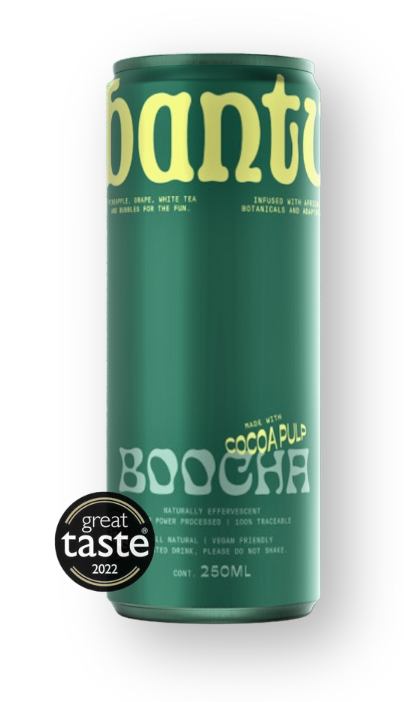
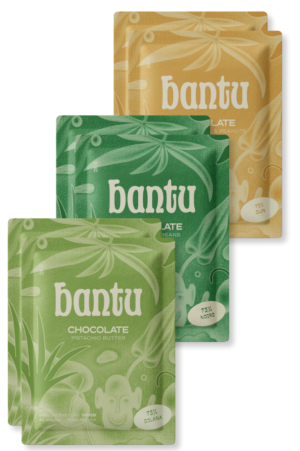
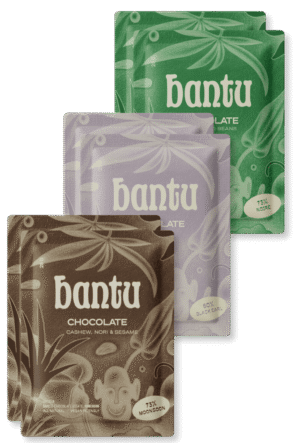
The Bantu Chocolate range is designed around agricultural diversification and circular economy principles. Rather than operating as a single-product chocolate maker, we use the entire cacao fruit across our product streams, minimising agricultural waste while diversifying our output into functional wellness chocolate, beverages, and pantry categories. Our core range is built around three functional wellness ritual chocolate collections: Delta Equinox, Karnak Solstice, and Philae Eclipse. We also produce Boocha, a cocoa pulp juice kombucha that uses the fruit pulp surrounding the cacao bean, along with chocolate spread, natural cacao powder, cacao tea, and cacao pulp fruit beverages. Every product is built on the same single-estate Cameroonian cacao and the same minimally processed formulation principles. Full ingredient information is available on each product page.