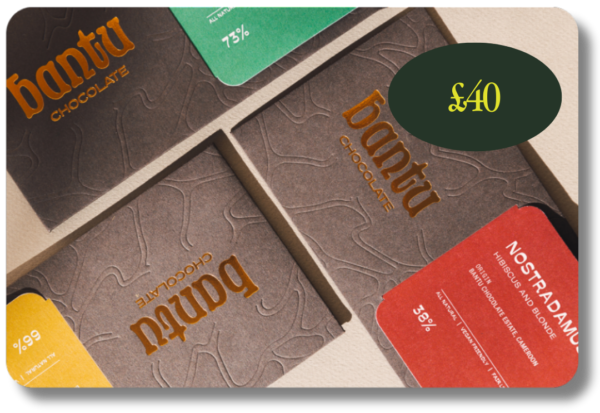
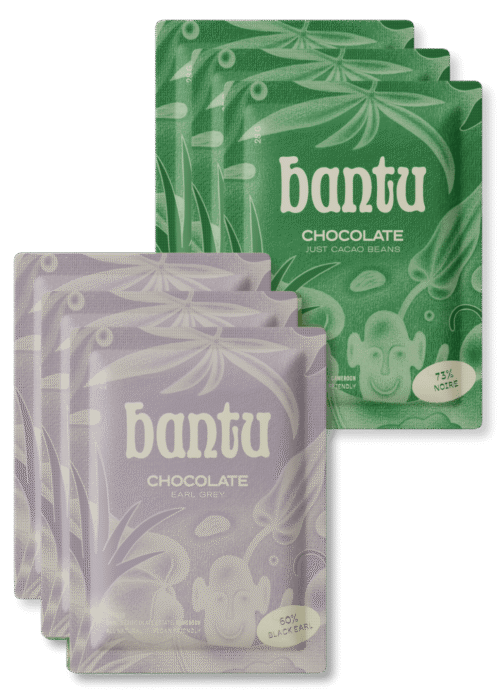
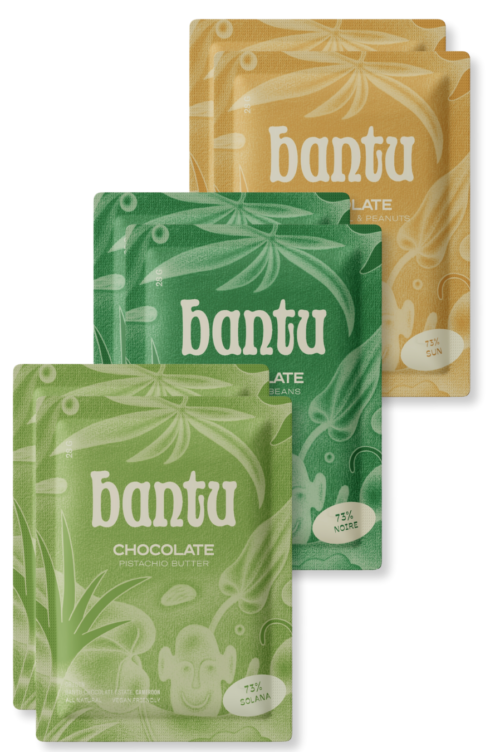
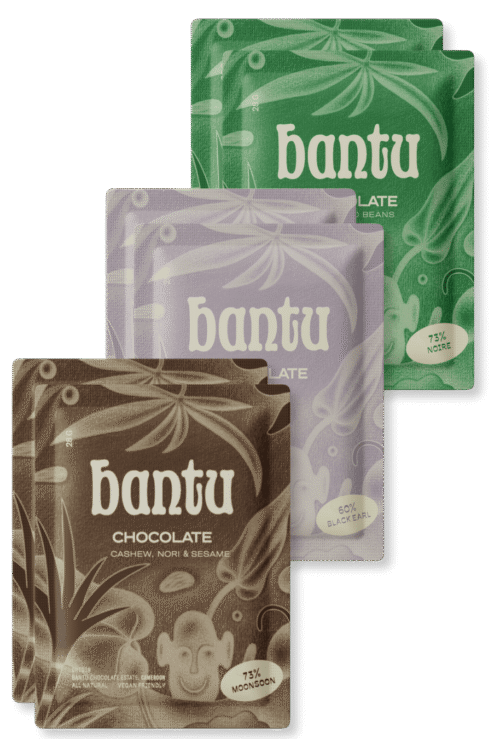
Choose six, twelve or twenty-four single-estate bars from our family farm in Cameroon.
Mix the flavours you already love with the ones you’ve been meaning to try.
Yours to keep, to gift, or to share.
Will cocoa prices and chocolate prices ever go back to "normal"?
The pre-2023 price of cocoa was the anomaly, not the norm. For decades, commodity cocoa traded below the true cost of growing it, which is what created the current supply crisis: aging trees, disease, and farmers leaving cocoa for more viable crops.
New supply from new origin countries will soften the market over time, but new EU regulations (EUDR, effective 2027) require full deforestation-free traceability, adding compliance costs across the entire supply chain. Most analysts now expect a structurally higher baseline rather than a return to pre-2023 levels.
Why do traditional cocoa supply chains rely on forward-selling?
Government marketing boards and massive traders routinely sell cocoa contracts up to 18 months before harvest to lock in supply. When climate shocks, crop diseases (like black pod), or structural deficits hit unexpectedly, this rigid system breaks to the detriment of farmers. It exposes farmers and local buyers to immense risk while insulating massive multinational conglomerates from immediate ground realities.
Why do traditional certifications fail?
Most mainstream certifications rely on audits that cover a fraction of farms, charge smallholders fees they can ill afford, and focus on minimum standards rather than economic reality. They treat the symptom (poverty) without fixing the root cause: a broken commodity pricing model that still traps farmers below a living wage.
Does "direct trade" actually mean farmers get paid a lot more?
No. In the chocolate industry, "direct trade" is frequently used as a marketing buzzword that simply means a brand bought beans with fewer middlemen, but it provides no guarantee that the farmer received a substantial, living-wage income.
In the traditional commodity model, up to eight different middlemen take a cut between the farmgate and the chocolate factory, leaving the farmer with a fraction of the final value.
Many brands hide behind the "direct trade" label to imply ethical sourcing, while still negotiating prices based on market margins rather than human need. A brand can buy directly from a farmer and still underpay them.
Is Bantu Chocolate just direct trade?
Many brands use "direct trade" as a marketing buzzword while still relying on disconnected third-party farmers and brokers. Bantu Chocolate is fundamentally different because it is rooted in direct estate ownership. By managing our own family-owned agroforestry system in Cameroon, we eliminate the traditional power dynamics of commodity supply chains. There are no speculative brokers between our land and the end product.
What makes Bantu Chocolate different from other ethical chocolate brands and craft chocolate brands?
Bantu is a single-estate, bean-to-bar chocolate brand sourcing exclusively from our family-owned agroforestry estate in Cameroon.
We pay workers on our estate a fixed price based on the Anker Living Wage for rural Cameroon plus a premium for sustainable production and generational security.





 All Natural
 Dairy Free
 Gluten Free
 No Lecithin
 Soy Free
 Vegan
Vegan







Reviews
There are no reviews yet.