Your words, not ours.
5.00
by Bantu customers
£14.80
Free shipping in Britain on orders over £25
Delivery InfoSee how our cocoa bean prices compare with Fairtrade, slavery-free, and global commodity prices.
Price Comparison All Natural
 Dairy Free
 Gluten Free
 No Lecithin
 Soy Free
 Vegan
Vegan
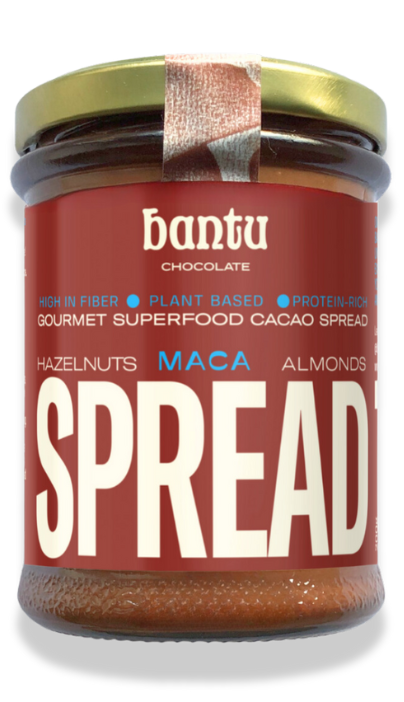
Spread The Word contains no palm oil, no sunflower oil, no rapeseed oil and no soybean oil. The only fats in the jar occur naturally in the whole ingredients: cocoa butter from our Cameroon cacao, and the oils present in organic almonds and organic hazelnuts. Most supermarket chocolate spreads are more than half palm oil by weight. It is sweetened with organic coconut blossom sugar rather than refined cane sugar, at roughly 22–24g per 100g against 55–60g in a conventional spread.
Sunflower, rapeseed and soybean oils are high in omega-6 fatty acids and typically refined at high heat. A growing group of consumers avoid them, citing processing methods and the omega-6 to omega-3 balance of the modern diet. The evidence is contested and nutrition scientists genuinely disagree. We do not take a position on the science. We simply do not use them, because whole-food fats from cacao and nuts taste better and need no refining.
Maca, Lepidium meyenii, is a root vegetable native to the Peruvian Andes, cultivated at altitude and used there as both a food and a tonic for centuries. It has an earthy, malty character that sits well against cacao. Maca is considered an adaptogen in traditional Andean use, meaning a food taken to support the body through periods of stress or fatigue. It is not a medicine and we make no medical claims for it.
Swirled into overnight oats, blended into a smoothie with banana and plant milk, spooned into brownie batter as a filling, or eaten from the jar with a teaspoon like an adult. It is not stable as a standalone topping at high baking temperatures, bake it inside the batter rather than on top.
The cacao is harvested, fermented and sun-dried on our family's agroforestry farm in Cameroon. Everyone working it is paid the Anker Living Wage for rural Cameroon: 135,729 CFA a month, about £176 / $180. That works out at the equivalent of £7 a kilo, seven times what most cocoa farmers receive at the farmgate. We don't start from the commodity price and hope a decent income follows. We start from the wage
*Hazelnuts, *Almonds, *Coconut blossom sugar, *Raw Peruvian Maca, Cacao beans *Bourbon Vanilla, Maldon Sea Salt Flakes
*Certified Organic

£14.80 or £7.50 / month
Free shipping in Britain on orders over £25
Delivery InfoSee how our cocoa bean prices compare with Fairtrade, slavery-free, and global commodity prices.
Price ComparisonSunflower, rapeseed and soybean oils are high in omega-6 fatty acids and typically refined at high heat. A growing group of consumers avoid them, citing processing methods and the omega-6 to omega-3 balance of the modern diet. The evidence is contested and nutrition scientists genuinely disagree. We do not take a position on the science. We simply do not use them, because whole-food fats from cacao and nuts taste better and need no refining.
Maca, Lepidium meyenii, is a root vegetable native to the Peruvian Andes, cultivated at altitude and used there as both a food and a tonic for centuries. It has an earthy, malty character that sits well against cacao. Maca is considered an adaptogen in traditional Andean use, meaning a food taken to support the body through periods of stress or fatigue. It is not a medicine and we make no medical claims for it.
Swirled into overnight oats, blended into a smoothie with banana and plant milk, spooned into brownie batter as a filling, or eaten from the jar with a teaspoon like an adult. It is not stable as a standalone topping at high baking temperatures, bake it inside the batter rather than on top.
The cacao is harvested, fermented and sun-dried on our family's agroforestry farm in Cameroon. Everyone working it is paid the Anker Living Wage for rural Cameroon: 135,729 CFA a month, about £176 / $180. That works out at the equivalent of £7 a kilo, seven times what most cocoa farmers receive at the farmgate. We don't start from the commodity price and hope a decent income follows. We start from the wage
*Hazelnuts, *Almonds, *Coconut blossom sugar, *Raw Peruvian Maca, Cacao beans *Bourbon Vanilla, Maldon Sea Salt Flakes
*Certified Organic






Your words, not ours.
5.00
by Bantu customers
Our Product Range
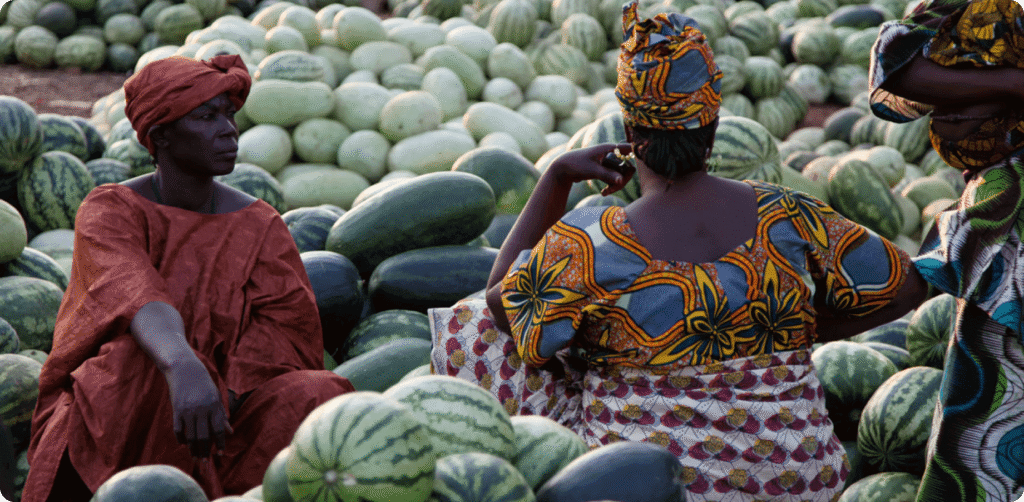
The difference between fairness as a marketing line, and fairness as a supply chain.
 | Ethical brands | Lab-made | |
|---|---|---|---|
| Ingredients | 3 | 5-8 | 12-20+ |
| Additives | None | often | yes |
| Organic | Sometimes | N/A | |
| Refined sugar | None | Sometimes | Varies |
| Single origin | Blended | No farm | |
| Family estate | no | No farm | |
| Regenerative | no | Not soil | |
Three ingredient decisions. First, zero palm oil and zero seed oils, most supermarket chocolate spreads are more than half palm oil by weight. Spread The Word uses only the natural fats from cacao butter, hazelnut and almond. Second, organic coconut blossom sugar instead of refined cane sugar, giving a lower glycaemic impact. Third, single-origin cacao from our own farm in Cameroon, plus organic Peruvian maca.
No. Spread The Word contains zero palm oil, zero sunflower oil, zero rapeseed oil and zero soybean oil. The only fats present are naturally occurring in the whole ingredients: cocoa butter from our Cameroon cacao, and the oils naturally present in organic almonds and organic hazelnuts. This remains a rare formulation choice in the category.
Maca is a root vegetable native to the Peruvian Andes, traditionally used as both a food and a tonic. It has an earthy, malty flavour that complements cacao well. Maca is considered an adaptogen in traditional Andean use, meaning a food used to support the body through periods of stress or fatigue. It is not classified as a medicine and we make no medical claims for it.
Approximately 22–24g of sugar per 100g, all from organic coconut blossom sugar. Most commercial chocolate spreads contain 55–60g per 100g. Coconut blossom sugar has a lower glycaemic index than refined cane sugar, meaning a slower blood sugar release.
Yes. It works beautifully swirled into overnight oats, blended into a post-workout smoothie with banana and plant milk, or spooned into brownie batter as a filling. It is not stable as a standalone topping at high baking temperatures, bake it inside the batter rather than on top.
Unopened, twelve months from production. Once opened, keep refrigerated and consume within four weeks. The natural oils in almonds and hazelnuts can develop off notes if left at ambient temperature for extended periods once air-exposed.
Spread The Word is a nutrient-dense whole-food spread suitable for children over 12 months, provided there is no tree nut allergy in the family. It contains no palm oil, no seed oils, no artificial additives, and significantly less sugar than mainstream chocolate spreads. As with any food containing tree nuts, introduce slowly.
Seed oils such as sunflower, rapeseed and soybean oil are high in omega-6 fatty acids and are typically refined at high heat. A growing group of consumers choose to avoid them, citing concerns about processing methods and omega-6 to omega-3 balance in the modern diet. The evidence is contested and nutrition scientists disagree. We do not take a position on the science. We simply do not use them, because whole-food fats from cacao and nuts taste better and need no refining.



Just the right sweetness
All clean ingredients—feels indulgent but totally guilt-free. Definitely a new favourite!
Great paleo-friendly spread option
Grabbed this at the market, and it’s great. Works superbly on fruit and smoothies
Love!
Incredible, delicious – can use in so many ways too.